



Research, Scholarships & Innovation
SASORD grants scholarships to socially disadvantaged groups of people as per the policy and rules of Nepal Government. In addition, a few scholarships will be allocated to the students on merit basis. It will also develop research grant policy and link students and faculty with appropriate research grants to discover and invent technologies and ideas and contribute to the body of knowledge.
Placement: At SASORD, special placement cell will be established with dedicated faculties and staff. The staffs would interact with the top most organizations within and outside the country; arrange for seminars, workshops for students which would help students to enhance knowledge about the latest technological advancement and work custom of the companies. These types of preparations would help students organize themselves for the external working culture. During the final year, the top most organizations would be invited in the college for interview and selection. Interested students can apply for the campus placement at SASORD. The companies would select the best candidates based on their company’s selection procedure. SASORD would only facilitate the placements and will have no role in the selection process.
Internship :
 Internship is an excellent way to extend and test classroom learning and to explore a career interest. They also provide an opportunity to gain real job experience and expand their professional network that can help our students withstand the work related pressure. Internships offer students a period of practical experience in the related field of study.
SASORD provides an internship programme to Bachelors and Master’s Degree students in the eighth semester of bachelor programme and fourth semesters of the master programme. The students are placed in varieties of governmental, non-governmental and development organizations. With the wide network of SASORD with development organizations and practitioners, students will get chance to put knowledge and theory into practice.
Fieldwork
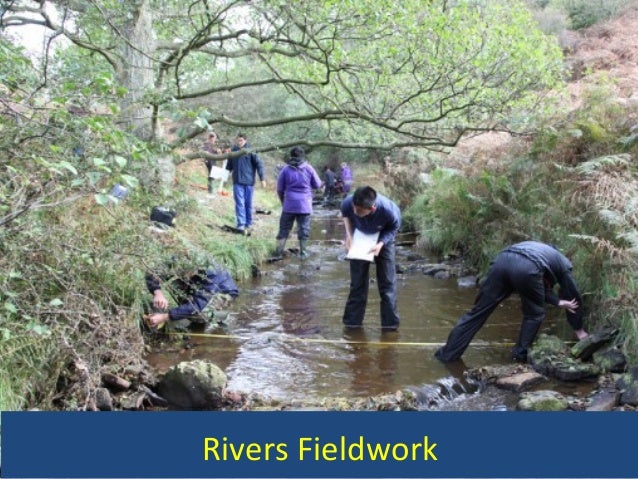
 Fieldwork experiences build an important teamwork element, with social benefits derived by cooperating with others in a setting outside the classroom. The main objective of the fieldwork is to enable students to understand the ground reality in the field of the disciplines they study that lead to increase their employability after the completion of the course. The fieldwork also will provide opportunities to relate and put the theoretical knowledge into practical field.
SASORD provides a fieldwork programme as a credit based assignment for every bachelors and master’s degree students in their eighth and fourth semester respectively in order to enhance their analytical, leadership, investigative, communicative and participatory skills to produce a competent and strong human resource.
Project Assignments:
 SASORD offers project assignments programme as a credit based assignment for both bachelors and master’s degree students to work in non-governmental, governmental and other different organizations, relating to their specialized course. It is a part of the academic curriculum where students will be placed in certain project fields of organizations and they will be provided with opportunities to explore their creativity and demonstrate their talent and skills through the project work/ assignments which enables students to work and cooperate as a team member. It is a wonderful platform for the students to get connected with project managers, program officers and governmental organizations and create possibilities of job opportunities after completing their degree.
The student focus (internship/fieldwork/project work) program carries 15 credits and is structured for the eighth semester students of bachelor’s degree and fourth semester students of the master’s degree, where the interns are provided with opportunity to enhance their knowledge through ongoing organizational activities as well as to develop, integrate, and synthesize their professional skills through working in the real world. The internship is for a period of eight weeks which is also one of the academic requirements to complete the BSc and MSc in Development Studies program.
Procedures:
Each student will be assigned a mentor who would guide the student for the internship/fieldwork/project work.
Students will work with their mentors as the preparatory work in the first phase of the internship/fieldwork/project assignment.
Students will develop proposal in guidance of mentors and will present their proposal in the class in order to get feedback from their friends and mentors. The literature review in their subjects of internship/fieldwork/ project work will be a part of the preparatory work.
Mentors will facilitate the process of placement of the students for the internship/fieldwork/project work. Students themselves will also explore the placement for the internship/fieldwork/project assignment.
Each student will be assigned an external supervisor in the organization where the student will be working. The supervisor will guide the student in the internship/fieldwork/project assignment.
Mentors will continuously monitor/track the students while they will be in the field. Mentors will use a number of communication channels to communicate to the students such as email, telephone, skype etc. The mentors will visit the field to guide students at least one time during internship/field work/project work where possible.
The students should submit the interim progress report of their internship/fieldwork/project work on the half way of the assignment.
After the completion of the internship/fieldwork/project work, students will submit the final report of their assignment. The report will be the basis of the assessment of the assignment.
Performance Assessment:
The mentor will be responsible to examine the performance of students.
60% of the marks will be allotted to the final report of the internship/fieldwork/project assignment.
20% of the marks will be assigned to the external supervisor.
Remaining 20% marks will be allotted for students’ attendance in the field and their interactions with the mentors.